Cantonese Chow Mein: 7 Secrets for a Delicious and Authentic Dish
Cantonese Chow Mein is a dish that dances on the palate, a textural masterpiece that brings me right back to my grandmother’s kitchen and the bustling street stalls of Hong Kong. There is a distinct rhythm to making this meal, a melody of sizzling oil and clanging woks that I want to help you recreate at Helth Recipe.
Real talk: you don’t need a Michelin-star kitchen to achieve this; you just need to understand the soul of Cantonese Chow Mein. My goal is to bring those five-star vibes in your slippers, transforming your average Tuesday into a flavorful journey with a plate of authentic Cantonese Chow Mein.

What makes Cantonese Chow Mein different from other stir-fry noodles?
The Tale of Two Textures
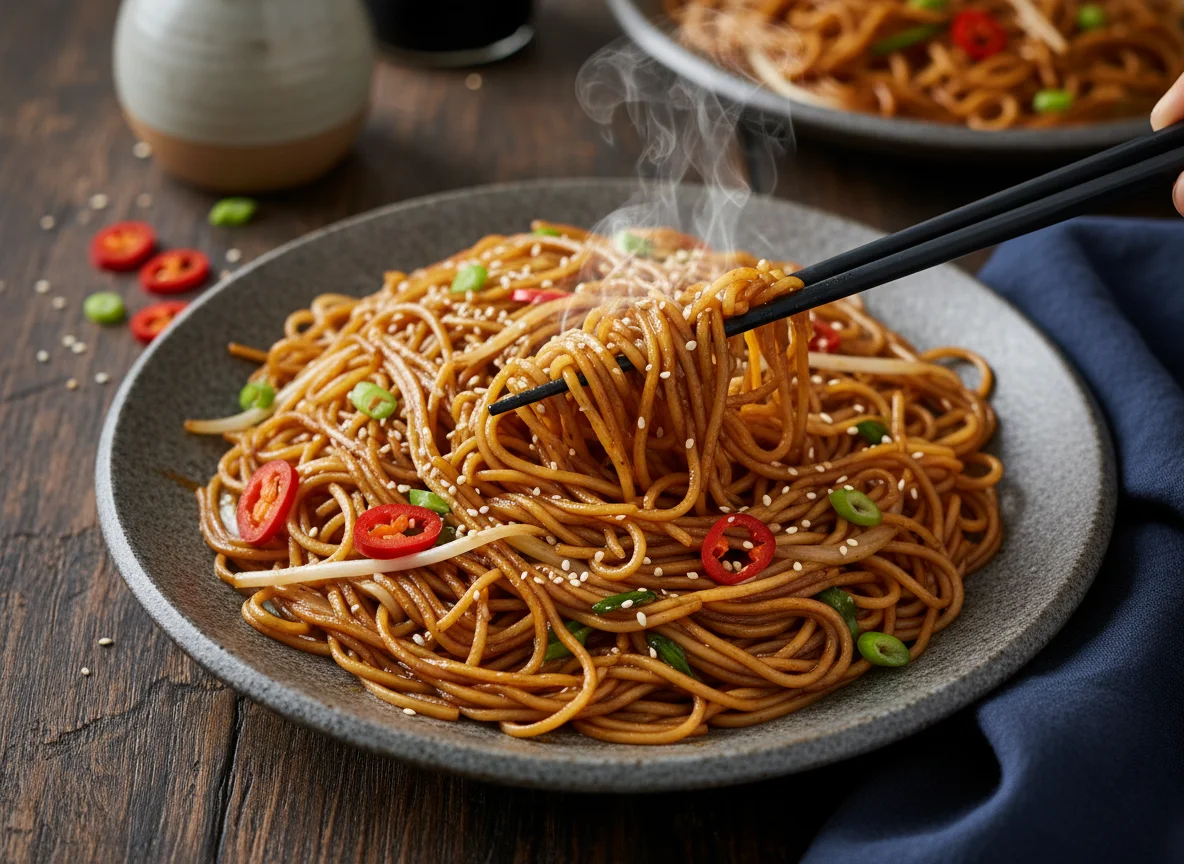
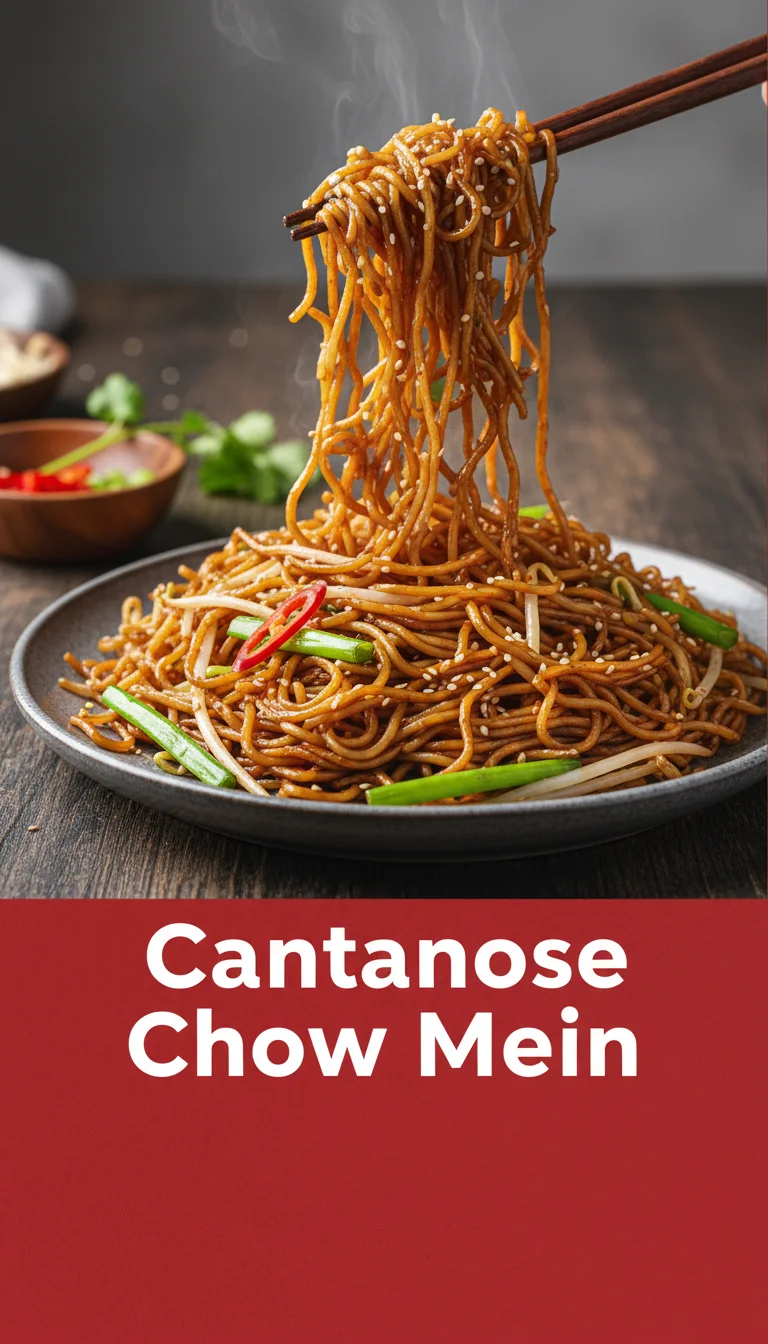
Unlike the soft, uniform texture of Lo Mein, Cantonese Chow Mein is famous for its incredible contrast. When you bite into a proper Cantonese Chow Mein, you should experience a satisfying crunch followed by a tender, saucy interior. This duality is what makes Cantonese Chow Mein a true edible masterpiece compared to other noodle dishes.
The Noodle Type Matters
To make authentic Cantonese Chow Mein, you cannot simply grab any pasta from the pantry. This dish requires thin, crinkly egg noodles that are specifically designed to crisp up when pan-fried for Cantonese Chow Mein. These crispy egg noodles act as a nest, catching the savory gravy that defines a great Cantonese Chow Mein.
Sauce Physics 101
In many noodle dishes, the sauce is tossed in while cooking, but Cantonese Chow Mein plays by different rules. The savory stir-fry sauce is poured over the crispy noodle cake at the very end, allowing the Cantonese Chow Mein to maintain its crunch for as long as possible. If you mix it too early, you lose the magic that defines Cantonese Chow Mein.
How do you achieve the perfect crispy texture without burning the noodles?
The Par-Boil Pre-Game
Before the noodles ever hit the frying pan for your Cantonese Chow Mein, they need a quick par-boil. This step ensures the Cantonese Chow Mein noodles are cooked through, so you are only focusing on crisping the outside later. It is a trick I use for my Asian Ground Beef Noodles as well, but it is absolutely essential for Cantonese Chow Mein.
The Oil Temperature Sweet Spot
Real talk: if your oil isn’t hot enough, your Cantonese Chow Mein will be a greasy disaster. You want the oil shimmering but not smoking before the noodles land, creating that golden-brown shield on your Cantonese Chow Mein. This is accessible luxury—patience costs nothing, but it makes or breaks your Cantonese Chow Mein.
The Art of the Flip
Don’t panic and don’t stir; let the noodle cake for your Cantonese Chow Mein sit undisturbed in the pan. You need to treat it like a giant pancake; flipping the base of the Cantonese Chow Mein only once ensures an even, crispy crust. If you love crunch, you might also enjoy the texture in my Crispy Chicken Wonton Tacos, which shares a similar philosophy to Cantonese Chow Mein.
Which secret ingredients create that authentic restaurant-style sauce?
The Umami Powerhouses
The sauce for Cantonese Chow Mein relies heavily on high-quality oyster sauce and soy sauce. These two ingredients provide the deep, savory backbone that authentic Chinese cuisine is known for, elevating your Cantonese Chow Mein instantly. It reminds me of the rich flavors in Chinese BBQ beef, but with a silkier finish for the Cantonese Chow Mein.
The Cornstarch Slurry Secret
To get that glossy, clingy consistency on your Cantonese Chow Mein, a cornstarch slurry is non-negotiable. It transforms a watery broth into a luxurious gravy that coats every strand of the Cantonese Chow Mein. Mastering this thickness is also key for dishes like my Korean Ground Beef Bowl, but it shines brightest in Cantonese Chow Mein.
Balancing Sweet and Savory
A grandmother-approved trick for the best Cantonese Chow Mein is a tiny pinch of sugar and a dash of sesame oil. This balances the saltiness and adds an aromatic finish that makes the Cantonese Chow Mein smell like it came from a professional wok. It is a subtle touch that creates a flavorful journey in every bite of Cantonese Chow Mein.
Why is the order of adding vegetables and proteins so critical for success?
Respecting the Protein
You must cook the protein first and set it aside before building the rest of your Cantonese Chow Mein. Whether it’s chicken, beef, or shrimp, overcrowding the pan ruins the sear, and nobody wants boiled meat in their Cantonese Chow Mein. This technique ensures your protein remains tender, similar to the care used in Japanese Katsu Bowls and your Cantonese Chow Mein.
Vegetable Timing Tactics
Hard vegetables like carrots go in before leafy greens like bok choy to ensure everything in the Cantonese Chow Mein is cooked perfectly. Mung bean sprouts should be added at the very last second to retain their snap within the Cantonese Chow Mein. If you mess up the timing, the texture of the Cantonese Chow Mein suffers.
The Final Toss
Bring the protein back into the pan with the sauce only when the vegetables are ready for the Cantonese Chow Mein. This keeps the colors vibrant and the flavors distinct, creating a visual masterpiece of Cantonese Chow Mein. For another dish where layering flavors matters, check out my Japanese Katsu Bowls with Tonkatsu Sauce, but nothing beats the assembly of Cantonese Chow Mein.
How can you master the legendary ‘wok hei’ flavor in a home kitchen?
Heat Management
“Wok hei” translates to “breath of the wok,” and it is the smoky signature of great Cantonese Chow Mein. To mimic this at home for your Cantonese Chow Mein, you need to let your pan get incredibly hot before adding oil. It creates a searing effect that is essential for authentic pan-fried noodles in Cantonese Chow Mein.
Batch Cooking Wisdom
If you are cooking Cantonese Chow Mein for a crowd, do not do it all at once. Small batches allow the ingredients to sear rather than steam, preserving the wok hei flavor in your Cantonese Chow Mein. It is a principle I also apply when making a fresh Asian Cucumber Salad to keep things crisp alongside the Cantonese Chow Mein.
The Torch Hack
Here is a chef’s secret: if your stove isn’t powerful enough for Cantonese Chow Mein, use a kitchen blowtorch. A quick pass of the flame over the finished stir-fry mimics that charcoal-seared taste of restaurant Cantonese Chow Mein. It sounds fancy, but it is a simple trick to elevate your Cantonese Chow Mein.
“Cooking is an observation of change. In Cantonese Chow Mein, you are watching the noodles transform from soft strands to a golden, crispy foundation.” – Chef Niwala
Key Takeaways for Cantonese Chow Mein:
- Crispy Base: The hallmark of Cantonese Chow Mein is the pan-fried noodle cake.
- Sauce Consistency: Use a slurry to ensure the Cantonese Chow Mein gravy clings to ingredients.
- Heat Control: High heat is vital for the wok hei effect in Cantonese Chow Mein.
- Fresh Sides: Serve this with a light side like my Asian Cucumber Salad TikTok Recipe to cut through the richness of the Cantonese Chow Mein.
- Versatility: You can swap proteins easily, much like in a Spicy Salmon Sushi Bake Recipe, but the noodle technique for Cantonese Chow Mein stays the same.
For more on the science of wok cooking and how it applies to dishes like Cantonese Chow Mein, you can read this guide on Wok Hei physics. Embrace the mess, enjoy the process, and let this Cantonese Chow Mein steal the spotlight at your next dinner!
Cantonese Chow Mein
Ingredients
Method
- Begin by par-boiling the egg noodles in salted water for about 2-3 minutes, then drain and set aside.
- Prepare your protein by cutting it into bite-sized pieces. Season lightly.
- Slice vegetables accordingly, preparing them in the order they will be cooked.
- Heat oil in a large pan or wok over high heat until shimmering but not smoking.
- Add the protein to the pan, searing it until golden brown. Remove and set aside.
- In the same pan, add the carrots and stir-fry for 2 minutes.
- Add bok choy and continue to stir-fry for another minute.
- Finally, add the mung bean sprouts and the cooked protein back to the pan.
- Pour the sauce mixture over the combined ingredients, allowing it to coat everything well.
- Add the cooked noodles to the pan and gently toss until everything is combined and heated.
- Let the noodle cake sit undisturbed for 2 minutes to crisp the bottom before flipping once.
- Serve the Cantonese Chow Mein hot, garnished with additional sesame oil if desired.