Pastel Spring Flowers: 15 Beautiful Varieties for a Mesmerizing Garden
Pastel Spring Flowers are the first true whisper of the season, gently waking up the world from its winter slumber with a soft, inviting hum. Welcome to the kitchen—and the garden—friends! If you have been following us here at Helth Recipe, you know that my journey started in my grandmother’s village kitchen, where the line between the garden and the dinner table was beautifully blurred.
She taught me that the visual feast is just as important as the flavor, and nothing sets a “five-star vibe” quite like a fresh arrangement of blooms. While we usually talk about the warmth of the oven, today we are stepping outside to explore how Pastel Spring Flowers can nourish your spirit just as much as a good meal.

Real talk: we all need a sanctuary, a place that feels like a warm hug when the world gets a bit too loud. Cultivating a garden filled with Pastel Spring Flowers is not just about horticulture; it is about curating a pale floral palette that brings instant calm to your chaotic days. Whether you are looking to inspire your next batch of Cute Flower Sugar Cookies or simply want a view that soothes the soul, these soft garden blooms are the answer. Let’s dig into the dirt and uncover the secrets to a mesmerizing display of Pastel Spring Flowers.
Why do pastel spring flowers possess the unique power to instantly soothe your soul?
The psychology of soft hues
There is a reason why we don’t paint nurseries neon orange; the gentle tones of Pastel Spring Flowers trigger a biological relaxation response in our brains. When I walked through the flower markets in Paris, I noticed that the stalls with soft pinks, creamy whites, and baby blues were always the most crowded—people were instinctively drawn to the peace they radiated. Integrating Pastel Spring Flowers into your environment acts like a visual deep breath, resetting your mood instantly.
Creating a sanctuary from chaos
In our fast-paced lives, creating a space that feels safe and serene is essential, and a garden dense with Pastel Spring Flowers offers exactly that. Think of these blooms as the quiet ingredients in a loud recipe; they balance the energy. Just as I balance acidity and sweetness in my cooking, placing Pastel Spring Flowers near your seating areas creates a “warm hug” effect that invites you to sit down, sip your tea, and just be.
From garden to kitchen inspiration
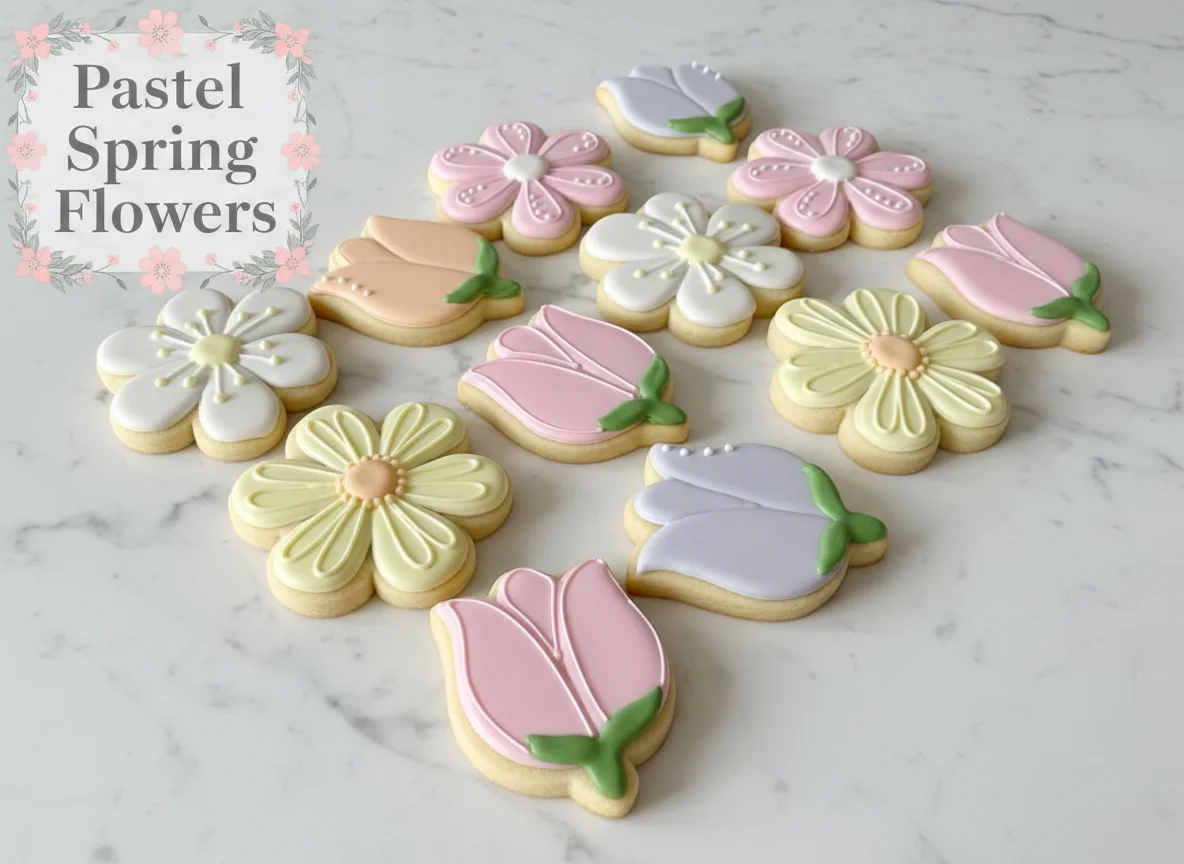
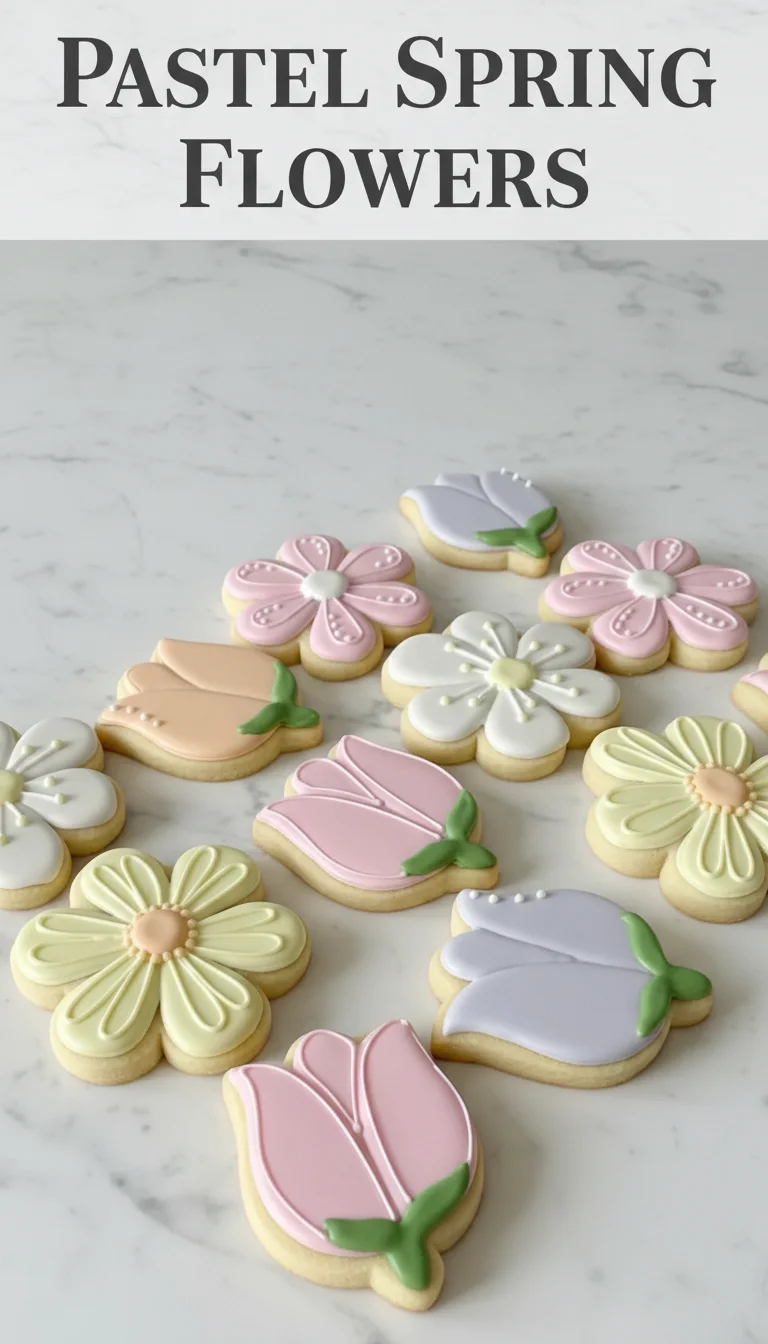
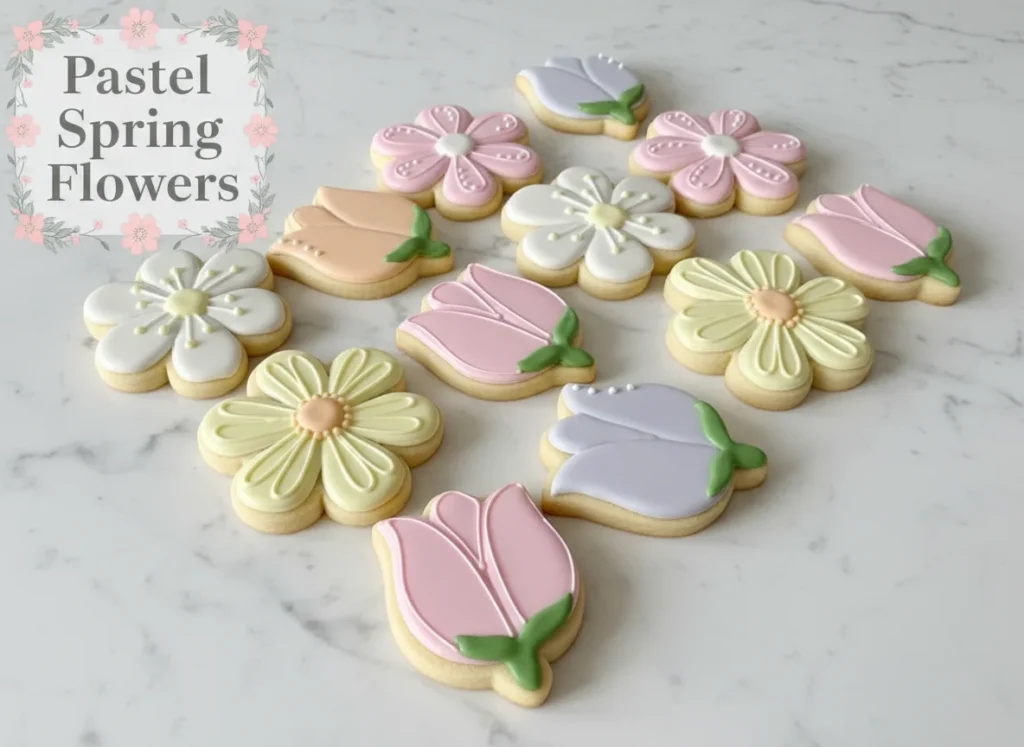
My grandmother always said that nature paints the best pictures, and I often look to my garden of Pastel Spring Flowers when designing the icing for my baked goods. The gradient of a tulip petal or the soft blush of a peony can inspire the glazing on your next batch of Spring Blossom Cookies. By surrounding yourself with Pastel Spring Flowers, you are constantly feeding your creative subconscious with five-star aesthetic vibes.
Which rare varieties can transform your backyard into a breathtaking soft-hued paradise?
The elegance of Ranunculus
If you want a flower that looks like it was piped by a master pastry chef, the Ranunculus is one of the most exquisite Pastel Spring Flowers you can grow. With layers of tissue-thin petals that look almost like a delicate buttercream swirl, these blooms add a sophisticated texture to any garden bed. I often think of their intricate design when I am working on Flower Shaped Strawberry Lemon Sandwich Cookies for Spring Bliss, trying to mimic that perfection.
Peonies: The queens of the garden
Real talk: no soft-hued paradise is complete without the dramatic, fluffy presence of Peonies, the undisputed royalty of Pastel Spring Flowers. These perennial pastel blossoms are the botanical equivalent of a rich, decadent dessert—luxurious, abundant, and utterly delightful. Their massive, fragrant heads are a showstopper, and their color range perfectly matches the soft pinks found in our Rose Chocolate Chip Cookies.
Underrated bulbs for texture
While tulips are classic, adding texture with Grape Hyacinths (Muscari) creates a carpet of soft blue that elevates your collection of Pastel Spring Flowers. These spring bulb varieties are low-maintenance but high-impact, offering a “palate-awakening” contrast to pinks and yellows. Just like the surprise crunch in a soft cookie, these smaller Pastel Spring Flowers add necessary depth to your garden’s visual flavor profile.
How do professional florists blend these delicate tones for a truly mesmerizing display?
The rule of thirds in petals
Florists know that a mesmerizing display of Pastel Spring Flowers relies on balance, much like the ratio of flour to butter. They rarely use just one shade; instead, they mix three distinct soft tones—like blush, cream, and pale lavender—to create movement. This is the same principle I use when choosing the fruit glazes for my Raspberry Grapefruit Passionfruit Sugar Cookies, ensuring the colors pop without clashing.
Mixing textures for five-star vibes
To prevent a bouquet of Pastel Spring Flowers from looking flat, pros mix “fluffy” blooms like hydrangeas with “spiky” ones like snapdragons. It creates a sensory experience that draws the eye in, similar to how we layer textures in food. When you arrange your Pastel Spring Flowers, think about the mouthfeel of a dish—you want soft, crisp, and airy elements all working together in harmony.
Color gradients and bridging
A secret technique for arranging Pastel Spring Flowers is using “bridge” flowers—blooms that contain two colors to link the palette together. For example, a creamy daffodil with a peach center can connect white tulips to orange ranunculus within your collection of Pastel Spring Flowers. It is a subtle trick, but it makes the difference between a messy bunch and a curated masterpiece, much like the swirl in our Blueberry Cookies That People Can’t Stop Talking About.
“Gardening is the art that uses flowers and plants as paint, and the soil and sky as canvas.” — Elizabeth Murray
What hidden techniques ensure your fragile spring blossoms survive the unpredictable weather?
Soil preparation secrets
Real talk: you cannot build a mansion on a swamp, and you cannot grow thriving Pastel Spring Flowers in poor soil. Before you plant, nourish your earth with compost and organic matter to ensure good drainage, because soggy roots are the enemy of these delicate beauties. Think of this as the “creaming butter and sugar” stage of gardening; if you rush the foundation, your Pastel Spring Flowers will not rise to the occasion.
Protecting against the frost
Spring weather is a fickle friend, and a late frost can devastate your emerging Pastel Spring Flowers overnight. I recommend keeping old sheets or burlap handy to cover your beds if the temperature dips, acting as a cozy blanket for your blooms. It is a labor of love, similar to the patience required when chilling dough for Homemade Strawberry Shortcake Butter Cookies, but the results are worth it.
Watering wisdom for delicate roots
Overwatering is the number one killer of aspiring Pastel Spring Flowers, as their roots need oxygen just as much as water. Check the soil moisture with your finger before grabbing the hose; it should feel like a wrung-out sponge, not a mud puddle. Treating your Pastel Spring Flowers with this level of attentiveness ensures they remain perky and vibrant, ready to inspire your next garden party.
Can you create a year-round aesthetic by strategically planting these ethereal spring favorites now?
Selecting perennials for longevity
To keep the vibe alive, choose Pastel Spring Flowers that return year after year, such as Hellebores and Bleeding Hearts. These perennials are the “legacy” plants of the garden, establishing a foundation that gets stronger with time. Just as we pass down family recipes, planting these enduring Pastel Spring Flowers ensures that your garden continues to bring joy for seasons to come.
Drying for indoor decor
Don’t let the beauty fade when the season ends; many Pastel Spring Flowers dry beautifully and can be used for year-round decor. Hang bunches of lavender or statice upside down in a cool, dark place to preserve their color and shape. You can even use pressed petals from your Pastel Spring Flowers to decorate Flower-Pressed Shortbread Cookies, bringing the garden directly onto your plate.
Indoor forcing for winter joy
You don’t have to wait for March to enjoy Pastel Spring Flowers; you can “force” bulbs like hyacinths and paperwhites indoors during the winter. By tricking nature, you bring that “warm hug” feeling into your home when it is cold and gray outside. Having a pot of blooming Pastel Spring Flowers on your kitchen counter while you bake is the ultimate way to keep the spring spirit alive all year.
Key Takeaways
- Psychological Calm: Pastel Spring Flowers trigger a relaxation response, turning your garden into a mental sanctuary.
- Texture Matters: Mix fluffy and spiky Pastel Spring Flowers to create professional, “five-star vibe” arrangements.
- Edible Inspiration: Use the color palettes of your blooms to inspire treats like Spring Blossom Cookies or other floral sweets.
- Protection is Key: Shield your Pastel Spring Flowers from late frosts to ensure a lush, vibrant display.
- Legacy Planting: Choose perennials so your Pastel Spring Flowers return annually, building a lasting garden legacy.
Pastel Spring Flower Arrangements
Ingredients
Method
- Nourish the soil with organic compost for good drainage before planting.
- Plant Ranunculus, Peonies, and Grape Hyacinths according to their specific depth requirements.
- Water the flowers carefully, checking the soil moisture regularly.
- Cover blossoms with sheets during late frosts to protect them.
- Mix and match your flowers in a vase, focusing on balance and texture.
- Incorporate flowers of varying heights and fluffiness for an eye-catching display.
- Look to your garden for inspiration in baking, mimicking the colors and shapes in icing.