italian canolli cookies: 7 Delicious Secrets to Master This Iconic Treat
italian canolli cookies bring such a delightful taste of Italy right into your kitchen, don’t they? For me, like Chef Niwala, the kitchen is where magic happens, a place where cherished memories are made and shared. Here at Helth Recipe, we believe every home cook can create something truly special, something that sings with tradition and a touch of personal flair.
These delightful treats are no exception, offering a simpler, yet equally enchanting, way to enjoy those classic Sicilian flavors. You’re about to discover how to make these Italian cannoli cookies truly shine, just like my grandmother taught me to find the joy in every ingredient.

What exactly are Italian Cannoli Cookies and how do they differ from traditional cannoli?
Imagine all the joy of a classic cannolo, but in a bite-sized, less fuss, more fun format. That’s essentially what `italian canolli cookies` are all about. They capture the essence without the need for intricate frying or delicate shell shaping, making them a fantastic alternative for home bakers.
The Essence of a Cannoli Cookie
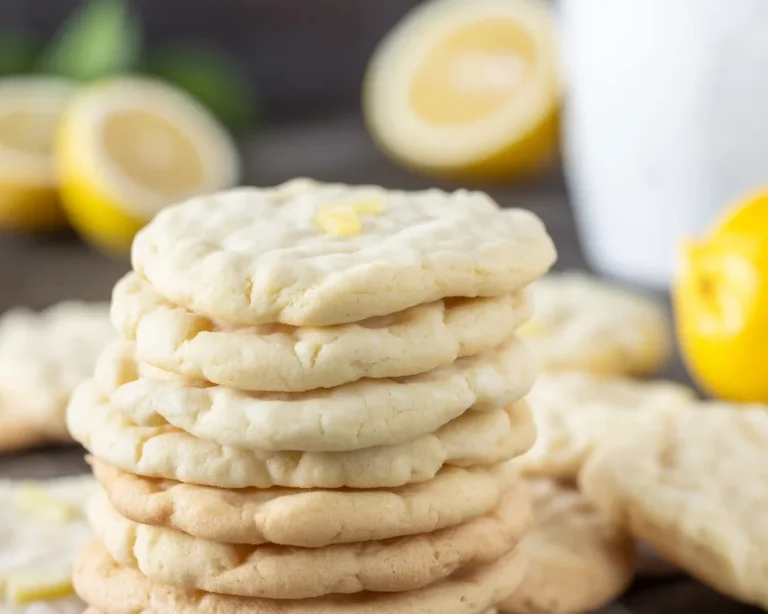
These `italian canolli cookies` are typically soft, cake-like cookies infused with ricotta cheese, often studded with mini chocolate chips or candied fruit. The ricotta ensures a tender, moist crumb, a characteristic many adore. While they don’t have the fried, bubbly crunch of a traditional cannoli shell, they offer a comforting, chewy texture that’s utterly irresistible. Think of them as a delightful cousin to the classic Italian pastry desserts.
How They Diverge from Traditional Cannoli
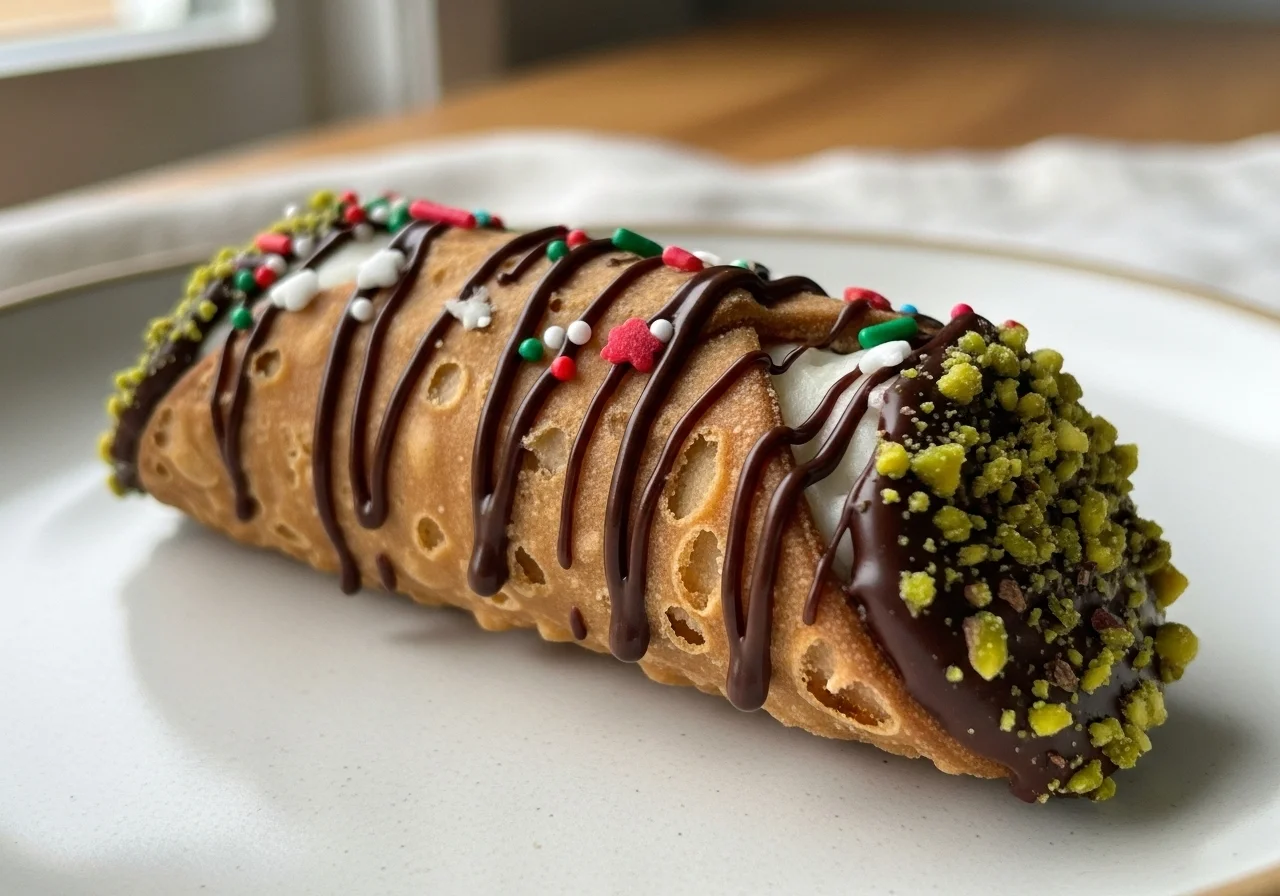
Traditional cannoli feature a fried, crispy shell, often made with wine or vinegar, then filled with a rich, sweet ricotta cream. `Italian canolli cookies`, on the other hand, are baked. They are self-contained, meaning the ricotta is mixed directly into the dough, creating a singular, delicious experience. No rolling, no frying, just pure cookie bliss. This makes them a more accessible way to enjoy that beloved `cannoli cream filling recipe` flavor profile without the extra steps.
A Nod to Sicilian Cookie Variations
Across Italy, especially in Sicily, you’ll find a myriad of cookie variations, each telling a story. `Italian canolli cookies` fit right in, offering a simpler, baked take on the iconic dessert. They share the same spirit of celebrating simple, high-quality ingredients, much like the `ricotta cookies authentic` to Italian nonnas everywhere. They’re a testament to how tradition can adapt beautifully without losing its soul.
What essential ingredients do you need to bake the most authentic Italian Cannoli Cookies?
Just like my grandmother always said, the secret to great food starts with great ingredients. For truly authentic `italian canolli cookies`, you don’t need a pantry full of exotic items, but rather a few key players that make all the difference. These humble components transform into something magical.
The Star: Fresh Ricotta Cheese
This is non-negotiable for `italian canolli cookies`. Use whole milk ricotta, and make sure it’s well-drained. Squeeze out as much excess liquid as possible through cheesecloth or a fine-mesh sieve. This step is crucial for preventing a soggy cookie and achieving that perfect texture, making your `ricotta cookies authentic` and delightful. A watery ricotta can throw off the entire balance.
Flavor Foundations: Zest and Vanilla
Lemon zest and pure vanilla extract are your best friends here. A little lemon zest brightens the `italian canolli cookies` beautifully, cutting through the sweetness and adding a wonderful aroma, much like I discovered with a touch of lemon in my own soup creations. Don’t skimp on the vanilla; it adds depth and warmth that truly makes the flavor sing. These simple additions elevate the entire batch of `italian canolli cookies` to a new level of deliciousness.
Sweet Additions and Flour Power
Beyond your standard flour, sugar, and eggs, consider mini chocolate chips or finely chopped candied fruit. These add bursts of flavor and texture that are characteristic of traditional cannoli. For the flour, all-purpose is usually fine, but ensure it’s measured correctly. Too much flour can lead to dry `italian canolli cookies`, a common pitfall we want to avoid. Remember, baking is a science, but it also has heart!
How can you achieve that perfect crispy texture and rich, creamy filling in your cannoli cookies?
While `italian canolli cookies` aren’t fried like traditional cannoli, we can still aim for a beautiful, slightly crisp edge and a wonderfully tender interior that evokes that same satisfying creaminess. It’s all about technique and a little patience.
The Secret to Tender, Yet Firm Cookies
The key here lies in proper mixing and not overbaking. Overmixing develops gluten, leading to tough `italian canolli cookies`. Mix until just combined. As for baking, keep a close eye on them. You want golden edges, but the center should still be soft. This ensures the cookies remain moist and tender, a hallmark of excellent `ricotta cookies authentic` to Italian tradition. A common mistake is to bake them until fully firm, which leads to a dry result.
Crafting the “Filling” Within
Since the ricotta is in the cookie, the richness comes from the quality of your ricotta and the balance of other ingredients. Ensure your ricotta is well-drained as discussed, then beat it thoroughly with sugar and vanilla. This creates an incredibly smooth base for your `italian canolli cookies`. This creamy ricotta base is what makes these `italian canolli cookies` so special, mimicking the luxurious texture of a `cannoli cream filling recipe` without the separate step.
A Glaze to Elevate the Experience
While not strictly a


Italian Cannoli Cookies
Ingredients
Method
- Preheat your oven to 350°F (175°C) and line a baking sheet with parchment paper.
- In a medium bowl, mix together flour and baking powder.
- In a large bowl, beat together the ricotta, sugar, eggs, lemon zest, and vanilla until smooth.
- Add the dry ingredients to the wet mixture and mix until just combined.
- Fold in chocolate chips or candied fruit if using.
- Drop spoonfuls of the batter onto the prepared baking sheet, spacing them about 2 inches apart.
- Bake for 15 to 20 minutes, or until the edges are lightly golden and the centers are soft.
- Let the cookies cool on the baking sheet for a few minutes before transferring them to a wire rack to cool completely.