Japanese Katsu Bowls: 7 Best Secrets for the Ultimate Home-Cooked Meal
Japanese Katsu Bowls are the ultimate comfort food, bringing a rhythmic crunch and savory depth that transforms an average Tuesday kitchen into a bustling Tokyo diner. Growing up, my grandmother always told me that food is a flavorful journey, and few dishes capture that sentiment quite like these golden, fried cutlets served over steaming rice. Here at HelthRecipe,
I am on a mission to show you that creating edible masterpieces like this is accessible luxury, not a culinary hurdle. Real talk: you don’t need a Michelin star to make Japanese Katsu Bowls that steal the spotlight at your family table.

When you commit to making Japanese Katsu Bowls, you are signing up for a meal that feels like a warm hug, blending textures and flavors in a way that few other dishes can manage. I remember my first time trying this dish during a rainy afternoon in Osaka; the steam rising from the bowl felt like a promise of joy.
That is the experience I want you to recreate, bringing those five-star vibes in your slippers right to your dining room. Whether you are a seasoned pro or a complete novice, these Japanese Katsu Bowls are about to become your new favorite obsession.
What makes the perfect Japanese katsu bowl so irresistible?
The symphony of textures
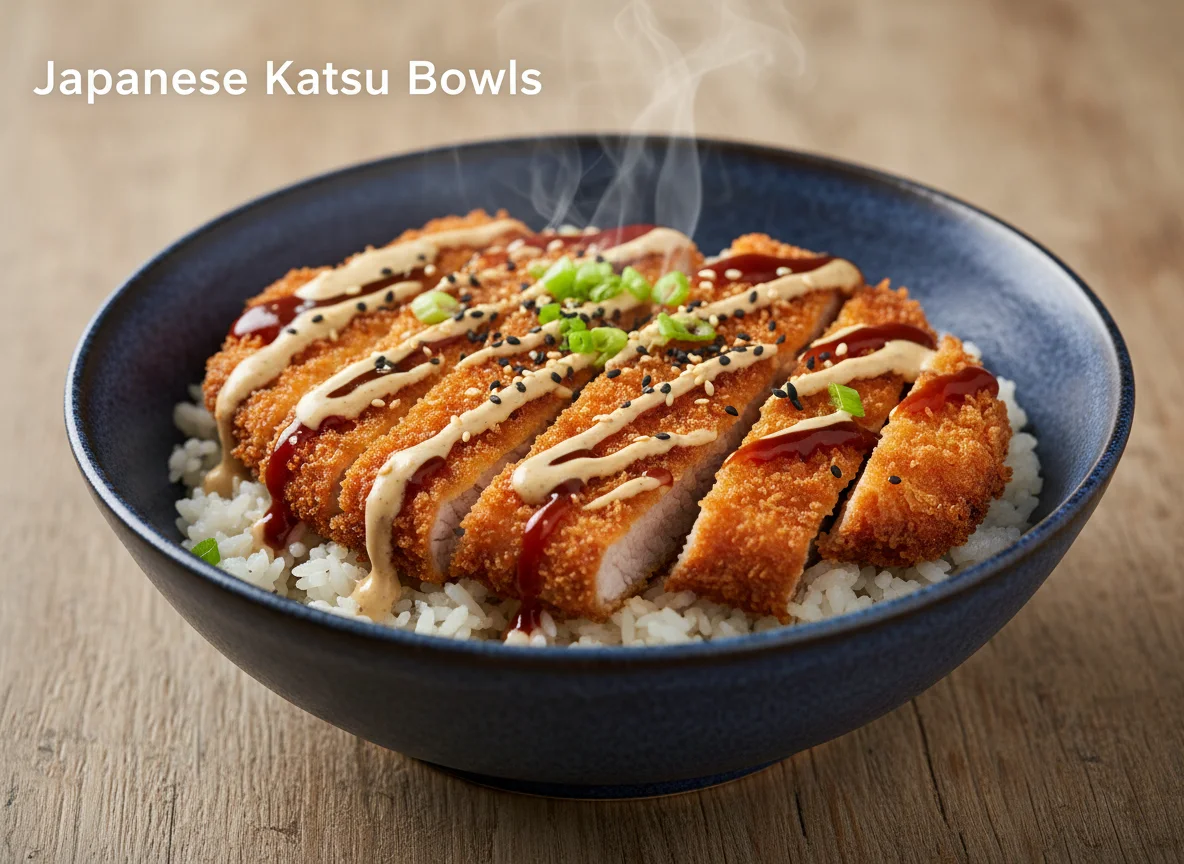
Japanese Katsu Bowls are a masterclass in texture, offering a sensory experience that starts the moment you take your first bite. You have the shattering crispness of the panko crust, the tender succulence of the meat inside, and the fluffy softness of the rice beneath it all. It is this contrast that makes Japanese Katsu Bowls so incredibly addictive, keeping your palate engaged from start to finish.
The balance of sweet and savory
Another reason we crave Japanese Katsu Bowls is the impeccable balance of flavors that dance across the tongue. The savory richness of the fried cutlet is cut perfectly by the tangy, slightly sweet sauce and often refreshed by a side of crisp vegetables. When you prepare Japanese Katsu Bowls correctly, no single flavor dominates; instead, they work in harmony, much like the ingredients in my favorite Asian Ground Beef Noodles.
A meal that feels like a hug
There is an emotional component to Japanese Katsu Bowls that simply cannot be ignored by anyone who loves comfort food. It is hearty, filling, and unpretentious, embodying the very essence of what I call “joyful meals” that bring people together. Serving Japanese Katsu Bowls is an act of care, providing nourishment that warms you from the inside out, similar to the comfort found in a classic Korean Ground Beef Bowl.
“Cooking is not just about ingredients; it’s about the rhythm of the kitchen and the memories you create on the plate.”
Why are panko breadcrumbs the secret to achieving that ultimate crunch?
Panko vs. regular breadcrumbs
If you want authentic Japanese Katsu Bowls, you must leave those standard, sandy breadcrumbs on the shelf and reach for panko. Panko flakes are larger, airier, and jagged, which allows them to crisp up beautifully without absorbing as much oil as traditional crumbs. This difference is the “secret weapon” that ensures your Japanese Katsu Bowls have that signature, light-as-air crunch rather than a heavy, greasy coating.
The double-dredge technique
To get that coating to stick perfectly to your Japanese Katsu Bowls, you need to embrace the mess and master the standard breading station: flour, egg, and panko. I like to press the panko firmly into the meat to ensure maximum coverage, creating a protective shell that locks in moisture. This technique is similar to how we achieve the perfect exterior on Crispy Chicken Wonton Tacos, ensuring every bite is audible.
Frying temperature matters
Real talk: if your oil isn’t hot enough, your Japanese Katsu Bowls will turn into a soggy disaster, and nobody wants that. You want to aim for around 350°F (175°C) to ensure the panko turns golden brown immediately upon contact. Monitoring your heat is the difference between a greasy mess and the pristine, golden Japanese Katsu Bowls of your dreams.
How do you master the traditional tonkatsu sauce from scratch?
The holy trinity of ingredients
While you can buy bottled sauce, making your own condiment for Japanese Katsu Bowls is a game-changer that takes five minutes and elevates the dish entirely. The base usually consists of ketchup, Worcestershire sauce, and oyster sauce or soy sauce, creating a complex profile that store-bought versions often lack. Drizzling this homemade magic over your Japanese Katsu Bowls adds that authentic “umami” punch we all crave.
Balancing the tang
To cut through the richness of the fried meat in your Japanese Katsu Bowls, you need a sharp acidity in your tonkatsu sauce. I often add a splash of vinegar or even a hint of lemon juice (a trick my grandmother loved) to brighten the dark, savory sauce. This balance ensures that your Japanese Katsu Bowls remain vibrant and don’t feel too heavy on the palate, a principle I also apply to Cantonese Chow Mein.
Letting the flavors marry
If you have the time, make the sauce for your Japanese Katsu Bowls at least an hour before serving to let the flavors meld together. The sugars in the ketchup and the spices in the Worcestershire need a moment to get to know each other. This patience pays off, resulting in a sauce that clings lovingly to your Japanese Katsu Bowls, just like the glaze on a good Chinese BBQ beef.
Which protein variations should you try for a modern twist on the classic katsu?
The classic pork cutlet
Traditionally, Japanese Katsu Bowls feature a pork cutlet (tonkatsu), either the lean fillet (hire) or the richer loin (rosu). The pork loin has a strip of fat that renders down beautifully, providing a juicy bite that is synonymous with this dish. Sticking to this classic ensures your Japanese Katsu Bowls taste exactly like the ones served in the back alleys of Kyoto.
Chicken katsu for a lighter bite
For a lighter but equally delicious version of Japanese Katsu Bowls, chicken breast or thigh is a fantastic, accessible swap. Chicken katsu is often more crowd-pleasing for picky eaters and cooks up slightly faster than pork. I often recommend this variation for a quick weeknight dinner when you want the comfort of Japanese Katsu Bowls without the heaviness of red meat.
Seafood and vegetarian options
Don’t panic if you don’t eat meat; you can still enjoy the magic of Japanese Katsu Bowls by using firm white fish, shrimp, or even thick slices of tofu or eggplant. The panko crust works wonders on these proteins, offering the same satisfying crunch. It’s a fun way to remix the concept, similar to how we play with flavors in our Spicy Salmon Sushi Bake Recipe.
What are the best side dishes to complete your authentic Japanese dining experience?
The essential cabbage slaw
You simply cannot serve Japanese Katsu Bowls without a mountain of finely shredded cabbage on the side. This isn’t just a garnish; the raw, crisp cabbage acts as a palate cleanser that cuts through the fried richness. It is the refreshing counterpart that makes eating an entire bowl of Japanese Katsu Bowls feel surprisingly light, much like a fresh Asian Cucumber Salad.
Miso soup for warmth
A steaming bowl of miso soup is the traditional partner for Japanese Katsu Bowls, aiding digestion and adding a savory liquid element to the meal. The earthy miso flavor complements the sweet and tangy notes of the katsu sauce perfectly. Including this soup turns your Japanese Katsu Bowls into a complete, restaurant-style set meal that feels incredibly nourishing.
Pickles and rice
Finally, the foundation of all Japanese Katsu Bowls is the rice—short-grain Japanese rice is non-negotiable for its sticky texture—and a side of pickles (tsukemono). The pickles add a sour crunch that wakes up your taste buds between bites of the rich cutlet. For a modern, viral twist on refreshing sides, you might even check out our Asian Cucumber Salad TikTok Recipe to pair with your bowl.
Key Takeaways
- Texture is King: The contrast between crispy panko and soft rice is what defines great Japanese Katsu Bowls.
- Sauce Matters: Homemade tonkatsu sauce adds a depth of flavor that store-bought bottles can’t match.
- Temperature Control: Fry at 350°F to ensure your Japanese Katsu Bowls are golden, not greasy.
- The Sidekick: Shredded cabbage is essential for balancing the richness of the dish.
- Customize It: Whether pork, chicken, or tofu, Japanese Katsu Bowls are versatile enough for any diet.
If you are looking for a complete guide on the sauce specifically, don’t miss our dedicated post on Japanese Katsu Bowls with Tonkatsu Sauce. And for those interested in the history of this dish, Japan Guide offers excellent insights into how Western influence shaped modern Japanese cuisine, including the beloved Japanese Katsu Bowls.
Japanese Katsu Bowls are a flavorful journey worth taking, and I hope this guide helps you embrace the joy of cooking them. Remember, no judgment here if it gets messy—that’s just the sign of a good time in the kitchen! For another crispy delight, try pairing your meal with our Crispy Chicken Wonton Tacos for a fusion feast.


Japanese Katsu Bowls
Ingredients
Method
- Cook the rice according to package instructions.
- Set up a breading station with flour, beaten eggs, and panko breadcrumbs.
- Dredge each pork cutlet in flour, dip in the egg, and coat with panko, pressing firmly.
- Heat oil in a deep pan to 350°F (175°C).
- Fry the coated cutlets until golden and crispy, about 3-4 minutes per side.
- Remove and drain on paper towels.
- In a small bowl, mix together ketchup, Worcestershire sauce, soy sauce, and vinegar or lemon juice.
- Let the sauce sit for at least 30 minutes to meld the flavors.
- Serve the fried cutlets over cooked rice.
- Drizzle with tonkatsu sauce and serve with shredded cabbage, miso soup, and pickles.