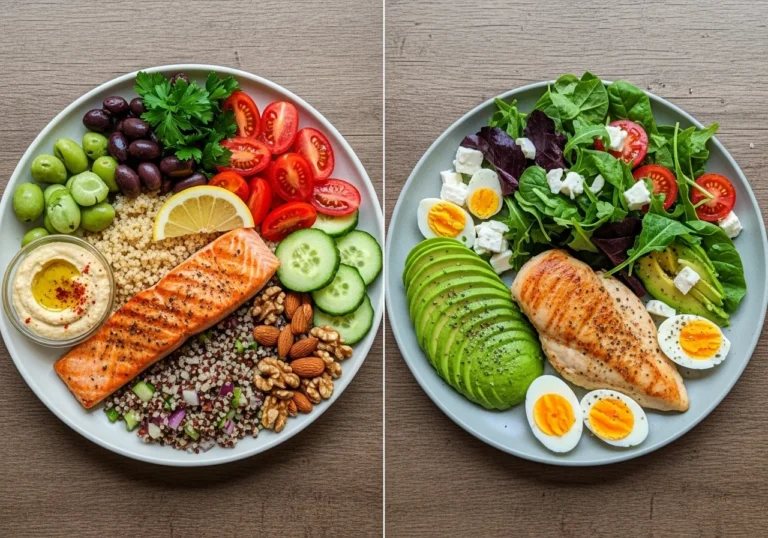

How to Start Mediterranean Diet on a Budget: 7 Essential & Amazing Secrets to Affordable Healthy Eating
How to start Mediterranean diet on a budget? That’s a question many of you ask, hoping to embrace this incredible lifestyle without emptying your wallet. At HelthRecipe, we believe that delicious, nourishing food should be accessible to everyone, regardless of budget.
My own culinary journey, sparked in a small village kitchen, taught me the magic of simple, authentic ingredients, and I’m thrilled to share how you can enjoy the bounty of the Mediterranean while keeping costs down.

This diet isn’t just about food; it’s about a way of life that celebrates fresh, seasonal produce and smart cooking. If you’re wondering how to start Mediterranean diet on a budget, you’re in for a treat. It’s far easier and more rewarding than you might imagine, and I’ll guide you through making every penny count for your health and happiness.
What makes the Mediterranean diet inherently budget-friendly for health-conscious individuals?
Many folks mistakenly believe that eating healthy means spending a fortune. But the truth is, the core principles of the Mediterranean diet are built on affordability and smart resourcefulness. It naturally leans into cost-effective healthy lifestyle choices, making it perfect for anyone learning how to start Mediterranean diet on a budget.
Embracing Plant-Based Power
The Mediterranean way of eating champions vegetables, fruits, legumes, and whole grains. These are often far cheaper than meat or highly processed foods. When you focus on plant-based budget meals, your grocery bill naturally shrinks, allowing you to easily figure out how to start Mediterranean diet on a budget.
Think about it: a bag of lentils or a sack of potatoes offers incredible value and versatility. This emphasis on plants is one of the key Mediterranean Diet Principles that makes it so economical. This foundational approach truly helps you understand how to start Mediterranean diet on a budget.
Prioritizing Pantry Staples
Traditional Mediterranean kitchens always had well-stocked pantries. We’re talking dried beans, pasta, rice, olive oil, and plenty of spices. These items have a long shelf life and form the backbone of countless affordable Mediterranean recipes, making it simple to figure out how to start Mediterranean diet on a budget.
Building up your collection of Mediterranean diet shopping list staple foods ensures you always have ingredients on hand for a nutritious meal. This strategy is essential for anyone figuring out how to start Mediterranean diet on a budget, ensuring you’re never caught without options.
Mindful Meat Consumption
Meat, especially red meat, is consumed sparingly in the Mediterranean diet, often as a flavor enhancer rather than the main event. This reduction in expensive protein sources is a massive saving for your wallet. It’s a smart move for anyone learning how to start Mediterranean diet on a budget.
Instead, protein comes from fish (often canned, which is very budget-friendly!), eggs, and those glorious legumes. This shift is a game-changer for cheap healthy eating tips, especially when considering how to start Mediterranean diet on a budget.
How can strategic grocery shopping and meal prep drastically cut costs on your Mediterranean journey?
Starting a new diet can feel daunting, but with a few clever tricks, you can master how to start Mediterranean diet on a budget. The secret sauce lies in how you approach the supermarket and your kitchen schedule. Thoughtful planning can truly transform your spending habits.
The Power of Planning: Your Weekly Blueprint
Before you even step foot in the grocery store, have a plan. Create a weekly menu based on sales and what’s seasonal. This budget-friendly meal planning prevents impulse buys and food waste, two major culprits for overspending when you’re trying to figure out how to start Mediterranean diet on a budget.
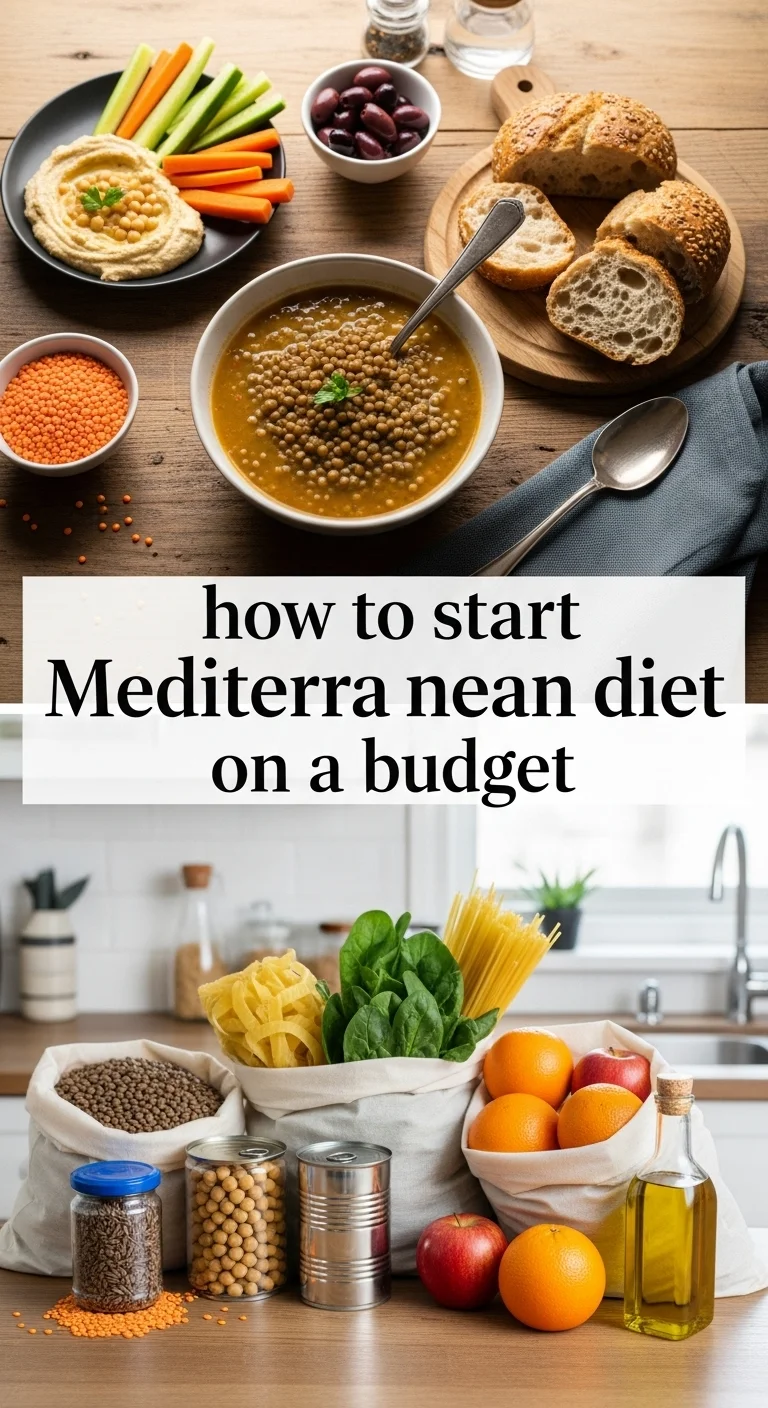

Mediterranean Diet Meal Plan
Ingredients
Method
- Create a weekly menu based on seasonal produce and sales.
- Stock up on pantry staples to reduce the need for last-minute grocery trips.
- Prepare lentils and beans ahead of time for easy meal integration.
- Cook a large batch of grains like rice or pasta to use throughout the week.
- Incorporate seasonal vegetables into meals to maintain variety and nutritional value.
- Assemble meals using a combination of grains, legumes, vegetables, and proteins.
- Utilize olive oil and spices to add flavor without excess cost.