Mediterranean Diet Principles: 7 Essential Steps for Unlocking Amazing Health Benefits
Mediterranean Diet Principles offer a delicious pathway to vibrant health, rooted in centuries of tradition and flavor. Here at HelthRecipe, we believe food should be an experience, a joyous journey that nourishes both body and soul. My grandmother always said, “Eat well, live well,” and these Mediterranean Diet Principles truly embody that wisdom, guiding us toward a more balanced and fulfilling way of eating.

These time-honored Mediterranean Diet Principles are more than just a diet; they represent a holistic approach to life, emphasizing fresh ingredients, communal meals, and an active spirit. If you’re curious about embracing a lifestyle that champions longevity and flavor, understanding these core tenets is your first wonderful step. We’re going to explore how these healthy eating patterns can transform your well-being, just like they’ve done for countless generations.
What are the foundational “Mediterranean Diet Principles” that define this renowned eating pattern?
Embracing Whole, Unprocessed Foods
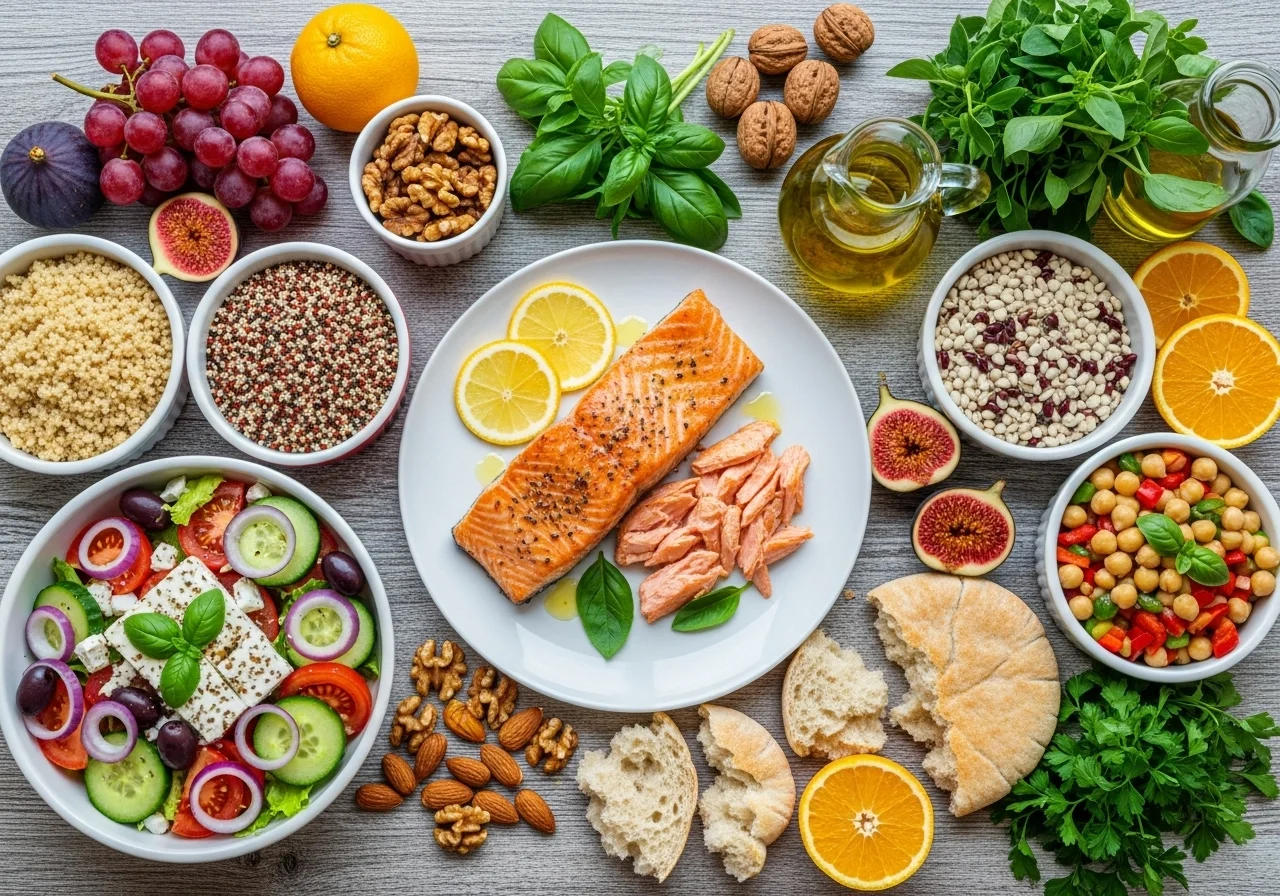
At its heart, the Mediterranean Diet Principles champion real food. Think vibrant fruits, crisp vegetables, hearty whole grains, and legumes straight from the earth. This focus on minimally processed ingredients means you’re getting maximum nutrients and avoiding the hidden sugars and additives that often lurk in packaged goods. It’s about respecting the food, much like my grandmother taught me to respect every ingredient in her kitchen.
Prioritizing Plant-Based Goodness
One of the most defining Mediterranean Diet Principles is the generous inclusion of plant-based nutrition. Vegetables, fruits, nuts, seeds, and legumes form the bedrock of daily meals, not just side dishes. This isn’t about restriction; it’s about abundance, filling your plate with a colorful array of foods that are naturally packed with fiber and antioxidants. You’ll find that these Mediterranean Diet Principles make cooking incredibly creative and satisfying.
The Role of Healthy Fats, Especially Olive Oil
Forget fear of fat; the Mediterranean Diet Principles celebrate healthy fats, with extra virgin olive oil leading the charge. This liquid gold isn’t just for cooking; it’s a dressing, a dip, and a flavor enhancer, bringing countless olive oil benefits to every dish. Along with olives, avocados, and nuts, these fats are crucial for heart health and satiety, proving that delicious food can also be incredibly good for you. Understanding these Mediterranean Diet Principles is key to unlocking a healthier you. If you’re new to this way of eating, our guide on what is the Mediterranean diet for beginners offers a fantastic starting point.
How do specific food groups, like fruits, vegetables, and healthy fats, contribute to the Mediterranean diet’s amazing health benefits?
The Powerhouse of Produce
Fruits and vegetables are the heroes of the Mediterranean Diet Principles, delivering a potent dose of vitamins, minerals, and disease-fighting antioxidants. Imagine a rainbow on your plate every day! These ingredients support everything from immune function to glowing skin, and their high fiber content aids digestion and keeps you feeling full. This focus on fresh produce is a cornerstone of the Mediterranean Diet Principles, directly contributing to the wonderful health benefits of traditional Mediterranean diet.
Unpacking the Magic of Olive Oil
Extra virgin olive oil, a cornerstone of the Mediterranean Diet Principles, is rich in monounsaturated fats and powerful antioxidants like polyphenols. These compounds are known to reduce inflammation and protect against heart disease, making olive oil benefits truly remarkable. It’s a testament to how simple, authentic ingredients can have profound impacts on our well-being. Incorporating this into your daily cooking is one of the easiest Mediterranean Diet Principles to adopt.
Nuts, Seeds, and Legumes for Sustained Energy
Beyond fruits and vegetables, nuts, seeds, and legumes offer an excellent source of plant-based protein, fiber, and healthy fats. They provide sustained energy, help regulate blood sugar, and contribute to gut health. These elements are vital Mediterranean Diet Principles, ensuring your body gets the balanced nourishment it needs without relying on processed snacks. You can find a comprehensive breakdown in our Mediterranean diet food list pdf.
Why is the emphasis on plant-based foods, whole grains, and olive oil so crucial for a truly authentic Mediterranean lifestyle?
The Heart of Plant-Based Nutrition
Plant-based nutrition is not just a trend; it’s a timeless element of the Mediterranean Diet Principles. By centering meals around vegetables, fruits, legumes, and nuts, you naturally reduce your intake of saturated fats and cholesterol, which are often found in animal products. This emphasis supports a vibrant Mediterranean lifestyle and aligns perfectly with the longevity diet philosophy. Embracing these Mediterranean Diet Principles can genuinely transform your approach to food.
The Indispensable Role of Whole Grains
Whole grains importance cannot be overstated within the Mediterranean Diet Principles. Unlike refined grains, whole grains retain their bran, germ, and endosperm, packing in fiber, B vitamins, and minerals. They contribute to stable blood sugar levels, digestive health, and a feeling of fullness. Think rustic breads, whole wheat pasta, and ancient grains like farro or bulgur – delicious and nourishing components of these Mediterranean Diet Principles. For practical meal ideas, explore our easy Mediterranean diet meal plan 7 days.
Olive Oil: More Than Just a Fat
Olive oil is truly the star of the Mediterranean Diet Principles, not just for its flavor but for its incredible health properties. Its consistent use in cooking and dressing is a hallmark of this eating pattern, providing anti-inflammatory benefits and supporting cardiovascular health. This isn’t just about adding fat; it’s about choosing a beneficial fat that enhances both taste and wellness, a core belief in all Mediterranean Diet Principles. Even if you’re comparing diets like the Mediterranean diet vs keto for heart health, olive oil’s role remains paramount.
What role do lean proteins and mindful eating play in successfully adopting the Mediterranean Diet Principles for long-term well-being?
Smart Choices for Lean Protein Sources
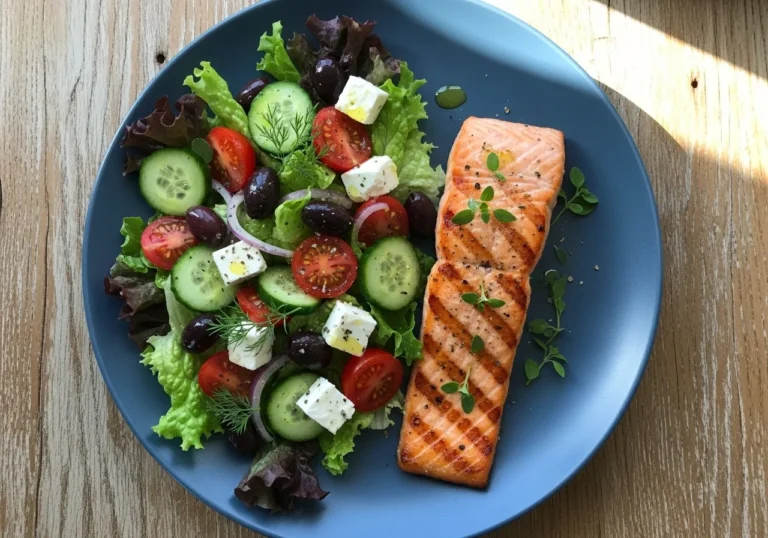
While plant-based foods take center stage, lean protein sources are still a vital part of the Mediterranean Diet Principles, consumed in moderation. Fish and seafood, especially fatty fish rich in omega-3s, are favored a few times a week. Poultry, eggs, and dairy are enjoyed in smaller portions, while red meat is reserved for occasional treats. This balanced approach ensures you get adequate protein without overdoing it, supporting muscle health and overall vitality, which is a key part of the longevity diet. These Mediterranean Diet Principles prioritize quality over quantity.
The Art of Mindful Eating
Mindful eating is a quiet, yet powerful, component of the Mediterranean Diet Principles. It’s about savoring your food, paying attention to hunger and fullness cues, and enjoying meals in good company. This slower, more intentional approach to eating not only enhances enjoyment but also aids digestion and prevents overeating. It’s a practice that extends beyond the plate, fostering a deeper connection to your food and your body. Embracing mindful eating truly elevates the Mediterranean Diet Principles from a mere diet to a holistic lifestyle.
Celebrating Meals as Social Occasions
Eating in the Mediterranean isn’t just about sustenance; it’s a social event, a time for connection and joy. Sharing meals with family and friends, lingering over conversation, and appreciating the flavors are integral Mediterranean Diet Principles. This communal aspect reduces stress and enhances overall well-being, proving that food nourishes us in more ways than one. It’s about building a sustainable, happy Mediterranean lifestyle. Learn how to start Mediterranean diet on a budget to make this accessible for everyone.
How can you practically integrate these “Mediterranean Diet Principles” into your daily routine to achieve transformative health outcomes?
Stocking Your Kitchen Smartly
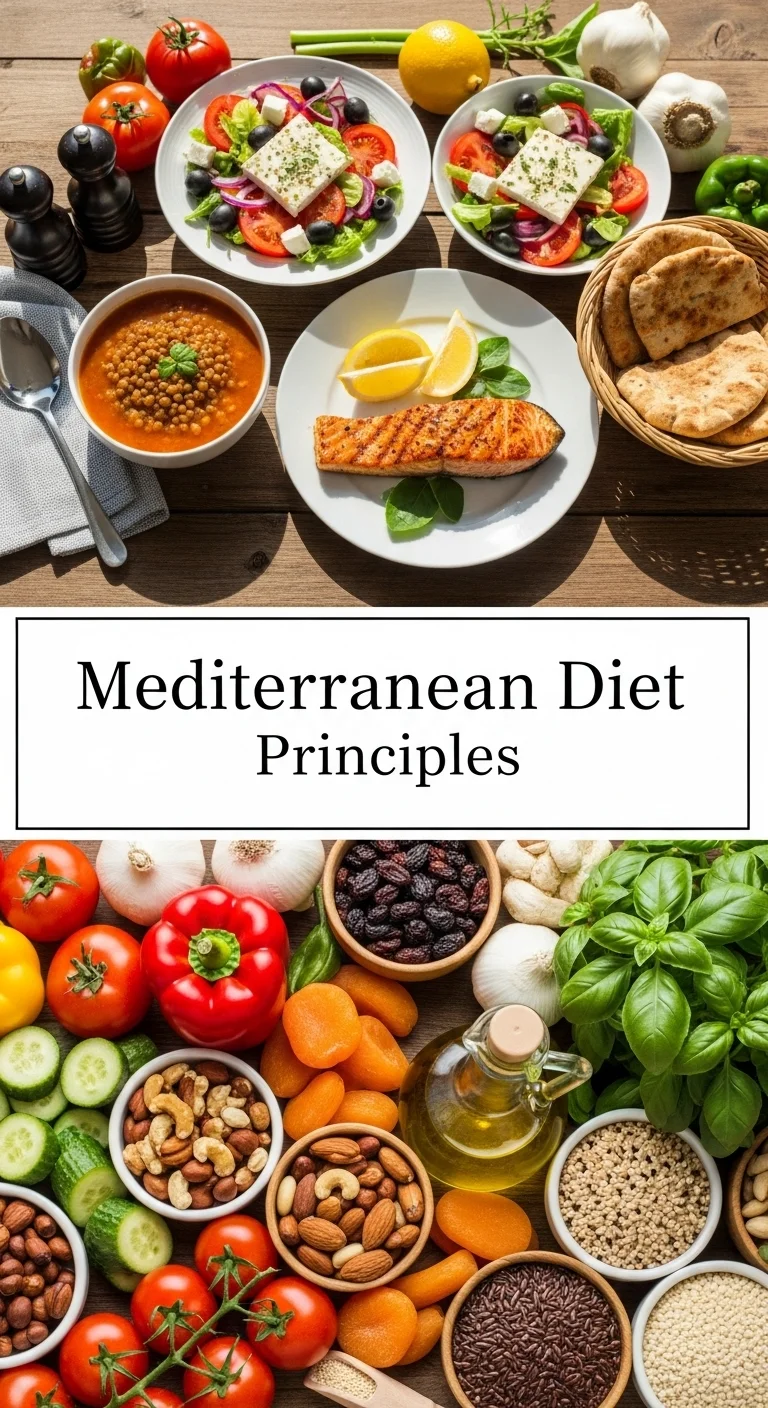
Transforming your pantry is a fantastic first step in embracing the Mediterranean Diet Principles. Fill it with whole grains like oats, quinoa, and brown rice, a variety of legumes, nuts, seeds, and plenty of extra virgin olive oil. Keep your fridge brimming with fresh fruits and vegetables. Having these staples on hand makes healthy cooking simple and accessible. Check out our Mediterranean diet shopping list staple foods for guidance.
Simple Swaps for Big Impact
Making small, consistent changes can yield huge results when following Mediterranean Diet Principles. Swap butter for olive oil, white bread for whole-grain versions, and sugary snacks for fresh fruit or a handful of nuts. Replace sodas with water, and enjoy wine in moderation if you choose. These simple adjustments make adopting healthy eating patterns feel effortless and sustainable. For example, our Mediterranean diet breakfast ideas authentic will kickstart your day the right way.
Embrace Cooking and Experimentation
Don’t be afraid to get into the kitchen and experiment with new flavors! The Mediterranean Diet Principles encourage home cooking, allowing you to control ingredients and savor the process. Start with simple recipes, then gradually explore diverse cuisine.
My culinary journey began with a simple soup, and I encourage you to find your own joy in creating delicious, wholesome meals. You might even find that these Mediterranean Diet Principles can help address specific health concerns, as some research suggests the can Mediterranean diet reverse diabetes in some cases. For inspiration, try some traditional Greek Mediterranean diet recipes.
> “Food is not just fuel; it’s a language, a memory, a celebration. The Mediterranean Diet Principles teach us to speak that language beautifully.” – Chef Niwala
Stay Active and Hydrated
Beyond the plate, the Mediterranean lifestyle emphasizes regular physical activity and proper hydration. Whether it’s a leisurely walk, gardening, or dancing, moving your body is as crucial as what you eat. Drink plenty of water throughout the day to support overall health and energy. These holistic Mediterranean Diet Principles extend far beyond just food choices, impacting every aspect of your well-being. For more insights into a healthy lifestyle, you can explore resources like the World Health Organization.
Key Takeaways
- Embrace Whole Foods: Prioritize fresh, unprocessed ingredients, a core tenet of the Mediterranean Diet Principles.
- Plant Power: Make fruits, vegetables, legumes, nuts, and seeds the stars of your plate for optimal plant-based nutrition.
- Olive Oil is Key: Utilize extra virgin olive oil for its incredible olive oil benefits and healthy fats.
- Smart Proteins: Choose lean protein sources like fish and poultry in moderation, with red meat as an occasional treat.
- Mindful Living: Savor meals, enjoy company, and stay active to fully embody the Mediterranean lifestyle and its longevity diet benefits. These Mediterranean Diet Principles are your guide to a healthier, happier you.

Mediterranean Diet Principles
Ingredients
Method
- Wash and chop all fresh vegetables and fruits.
- Cook whole grains according to package instructions.
- If using dried legumes, soak overnight and then cook until tender.
- In a large bowl, combine the chopped vegetables, fruits, cooked grains, and legumes.
- Drizzle with extra virgin olive oil and toss to coat.
- If using, add lean proteins such as cooked fish or boiled eggs to the bowl.