
Mediterranean diet vs keto for heart health: 7 Essential Insights for Optimal Wellness
Mediterranean diet vs keto for heart health – it’s a question that often lands on my kitchen counter, sparking lively discussions about what truly nourishes us. As someone who believes food is more than just sustenance – it’s an experience, a story, a connection to our well-being – I understand the quest for the best path to vitality.
Here at HelthRecipe, we’re all about exploring flavors from around the world and making healthy eating an enjoyable journey. Today, we’re diving deep into two popular eating styles, weighing their strengths and weaknesses when it comes to keeping your ticker in top shape. Choosing between the Mediterranean diet vs keto for heart health can feel like a culinary puzzle, but I’m here to help you piece it together, offering insights that are as authentic as my grandmother’s recipes.

What are the core principles of the Mediterranean and Keto diets for cardiovascular well-being?
When we talk about the Mediterranean diet vs keto for heart health, we’re really looking at two very different philosophies for fueling your body. Both have garnered significant attention, but their foundational approaches to what you put on your plate couldn’t be more distinct. Understanding these core principles is your first step in deciding which path might be right for your cardiovascular disease prevention strategy.
The Mediterranean Way: A Rainbow on Your Plate
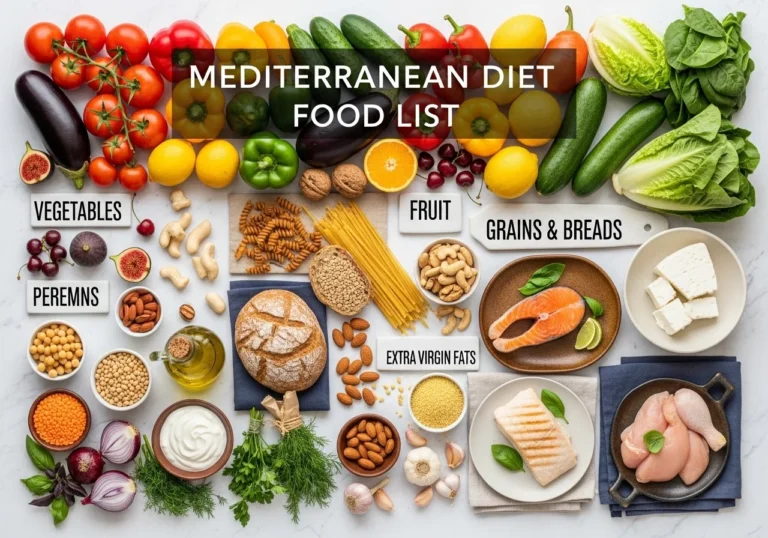
The Mediterranean diet isn’t just a diet; it’s a lifestyle, inspired by the eating habits of countries bordering the Mediterranean Sea. Think vibrant, fresh, and wholesome ingredients. Its principles emphasize plenty of fruits, vegetables, whole grains, legumes, and nuts. Olive oil, the liquid gold of the region, serves as the primary source of `dietary fat sources for heart health`, replacing less healthy options. Fish and poultry are enjoyed in moderation, while red meat is reserved for special occasions. This `plant-based` emphasis is central to its reputation for long-term heart benefits, making the Mediterranean diet vs keto for heart health a fascinating comparison.
Keto’s Strict Path: Fat as Fuel
On the flip side, the ketogenic diet takes a drastic turn, focusing on extremely low carbohydrate intake, moderate protein, and high fat. The goal? To shift your body into a metabolic state called ketosis, where it burns fat for fuel instead of glucose. This means saying goodbye to most grains, sugars, and many fruits and starchy vegetables. For those considering the Mediterranean diet vs keto for heart health, keto’s reliance on fats—often including saturated fats—can raise questions about `cholesterol levels diet` implications, requiring careful consideration of `dietary fat sources for heart health`.
Dietary Philosophies for Heart Health
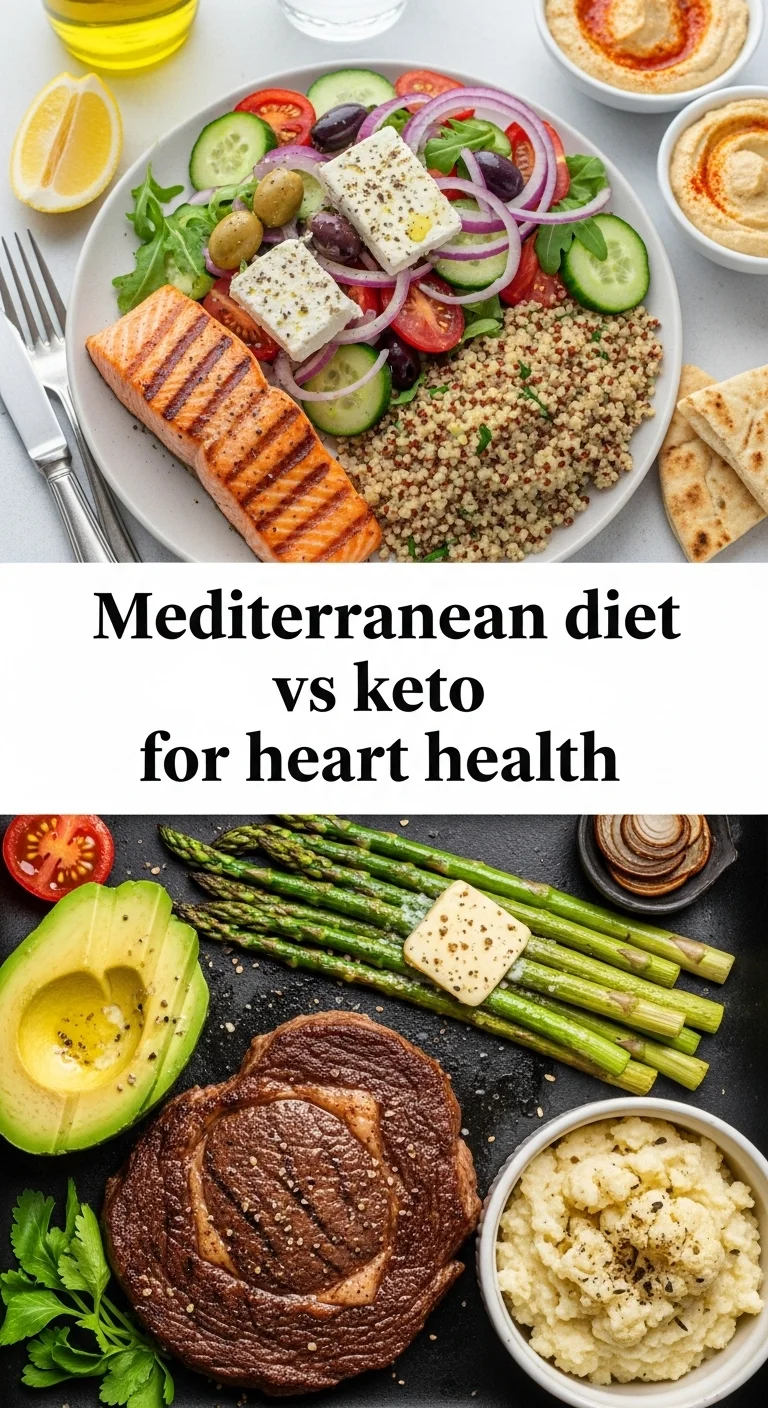
Ultimately, both diets aim for better health, but they approach it from different angles regarding the Mediterranean diet vs keto for heart health. The Mediterranean diet champions variety and whole foods, embracing the joy of eating a wide range of natural ingredients. Keto, however, is a more restrictive approach, designed to alter your body’s primary energy source. Each method brings its own set of potential advantages and considerations for `cardiovascular disease prevention`, and understanding these distinct philosophies is key to making an informed choice for your well-being.
How does the Mediterranean diet specifically champion heart health and reduce cardiovascular risks?
The Mediterranean diet has long been celebrated as a gold standard for heart health, and for good reason. Its holistic approach to eating and living offers a powerful shield against `cardiovascular disease prevention`. When we look at the Mediterranean diet vs keto for heart health, the former’s track record is particularly impressive, backed by decades of research and the vibrant health of populations who traditionally follow it.
Olive Oil, Nuts, and Veggies: A Heart’s Best Friend
At the core of the Mediterranean diet’s heart-healthy prowess are its star ingredients. Extra virgin olive oil, rich in monounsaturated fats and antioxidants, helps improve `cholesterol levels diet` by lowering LDL (bad) cholesterol. Nuts and seeds, packed with healthy fats, fiber, and plant sterols, also contribute to this benefit. And let’s not forget the abundance of fruits and vegetables, brimming with vitamins, minerals, and `anti-inflammatory diets` compounds. This rich nutrient profile is a major reason why the Mediterranean diet vs keto for heart health often favors the Mediterranean for `long-term heart benefits`.
Beyond Food: Lifestyle for Longevity
It’s not just about what you eat, but how you live. The Mediterranean lifestyle, intertwined with its dietary principles, also plays a significant role in `cardiovascular disease prevention`. Regular physical activity, communal meals, and a generally relaxed approach to life contribute to overall well-being, reducing stress—a known risk factor for heart disease.
This lifestyle component is a unique aspect when comparing the Mediterranean diet vs keto for heart health, highlighting a broader view of wellness. If you’re curious about embracing this way of eating, exploring the Mediterranean Diet Principles can be a great start.
Lowering Risk: The Evidence Speaks
Numerous studies consistently show that adhering to the Mediterranean diet significantly reduces the risk of heart disease, stroke, and high blood pressure. It’s an `anti-inflammatory diets` powerhouse, combating chronic inflammation that can damage blood vessels. The emphasis on whole, unprocessed foods and healthy `dietary fat sources for heart health` creates an environment where your heart can truly thrive.
This robust evidence makes a strong case for the Mediterranean diet vs keto for heart health, especially for those seeking proven `long-term heart benefits`. For beginners, understanding what is the Mediterranean diet for beginners can simplify the transition.
Can the ketogenic diet truly offer unique advantages for heart health despite its high-fat approach?
The ketogenic diet, with its dramatic shift in macronutrient ratios, presents a fascinating contrast to the Mediterranean diet vs keto for heart health discussion. While often associated with weight loss and managing specific neurological conditions, its potential impact on `cardiovascular disease prevention` is a topic of ongoing research and debate. It certainly takes a different route, focusing on metabolic changes rather than a broad spectrum of plant-based foods.
Metabolic Shift: Burning Fat for Energy
One of the primary ways the keto diet might influence heart health is through its metabolic effects. By forcing the body into ketosis, it can lead to stable blood sugar levels and improved insulin sensitivity. For individuals with insulin resistance or type 2 diabetes, these changes could indirectly benefit heart health, as high blood sugar is a risk factor for `cardiovascular disease prevention`.
This unique metabolic shift is a key differentiator when evaluating the Mediterranean diet vs keto for heart health, offering a distinct mechanism for health improvement. You can find a comprehensive Mediterranean diet food list pdf to compare.
Blood Sugar Control and Inflammation
Beyond insulin sensitivity, some proponents suggest that the ketogenic diet can reduce systemic inflammation, another factor in `cardiovascular disease prevention`. The restrictive nature of the diet eliminates many processed foods, sugars, and refined carbohydrates, which are known inflammatory triggers.
While the Mediterranean diet is also an `anti-inflammatory diets` champion, keto achieves this through carbohydrate restriction. However, careful selection of `dietary fat sources for heart health` on a keto diet is crucial to avoid unintended negative effects on `cholesterol levels diet` outcomes, especially when considering the Mediterranean diet vs keto for heart health for `long-term heart benefits`.
Navigating High Fats for Cardiovascular Health
It’s important to acknowledge that not all fats are created equal on a ketogenic diet. While it’s high-fat, the type of fat matters immensely for `cardiovascular disease prevention`. Prioritizing healthy fats like avocados, nuts, seeds, and olive oil (yes, some olive oil can fit into keto!) over excessive amounts of saturated and trans fats is vital.
A poorly formulated keto diet, high in processed meats and unhealthy dairy, could potentially negate any `long-term heart benefits` and even worsen `cholesterol levels diet` markers. This nuance is critical in any discussion comparing the Mediterranean diet vs keto for heart health. For those looking at the Mediterranean path, the health benefits of traditional Mediterranean diet are well-documented.
What are the critical differences and potential long-term implications of each diet on your heart?
The fundamental differences between the Mediterranean diet vs keto for heart health extend far beyond macronutrient ratios; they touch upon sustainability, nutritional completeness, and the very way we interact with food. Understanding these distinctions is crucial for anyone contemplating a significant dietary change for `cardiovascular disease prevention`.
Macronutrient Showdown: Carbs vs. Fats
Here’s where the two diets truly diverge. The Mediterranean diet embraces complex carbohydrates from whole grains, legumes, and fruits, alongside healthy fats and moderate protein. It’s a balanced approach. In contrast, the ketogenic diet drastically limits carbohydrates, making fat the primary macronutrient.
This `low-carb vs plant-based` debate is central. While both aim for `heart-healthy eating plans`, the Mediterranean diet provides a wider array of fiber and micronutrients from its diverse plant-based components, which is often cited for its `long-term heart benefits`. An easy Mediterranean diet meal plan 7 days showcases this balance.
Sustainability and Dietary Adherence
Adherence is a big piece of the puzzle. The Mediterranean diet, with its flexible and inclusive nature, often feels more sustainable for many people over the `long-term heart benefits`. You can enjoy a wide variety of foods, making it easier to stick with. Keto, by its very restrictive nature, can be challenging to maintain consistently for years.
For `cardiovascular disease prevention`, consistency is key. If you can’t stick to a diet, its potential benefits, whether from the Mediterranean diet vs keto for heart health, won’t materialize. “The best diet is the one you can stick to,” my grandmother used to say, a simple truth in the world of nutrition. If you’re considering the Mediterranean path, learning how to start Mediterranean diet on a budget can make it even more accessible.
Long-Term Heart Benefits: A Closer Look
When we talk about `long-term heart benefits`, the Mediterranean diet has a robust body of evidence supporting its role in reducing heart disease risk, improving `cholesterol levels diet`, and lowering blood pressure. It’s a proven `anti-inflammatory diets` approach. The `long-term heart benefits` of a ketogenic diet, especially concerning `cardiovascular disease prevention` in the general population, are still being studied.
While it can lead to initial improvements in some markers, concerns remain about the impact of very high fat intake on `cholesterol levels diet` for certain individuals over many years. This ongoing research is why the Mediterranean diet vs keto for heart health remains a lively topic. For those embracing the Mediterranean, exploring Mediterranean diet breakfast ideas authentic can kickstart your day right.
Which diet, Mediterranean or Keto, is the optimal choice for your individual heart health goals and lifestyle?
Deciding between the Mediterranean diet vs keto for heart health isn’t a one-size-fits-all answer. Your body, your lifestyle, your preferences, and your specific health conditions all play a crucial role in determining the `optimal choice`. My approach to cooking has always been about making food work for you, not the other way around, and the same goes for your `heart-healthy eating plans`.
Listening to Your Body and Your Doctor
Before embarking on any significant dietary change, especially when focusing on `cardiovascular disease prevention`, a conversation with your doctor or a registered dietitian is non-negotiable. They can help you understand your current health status, including your `cholesterol levels diet` markers, and guide you toward the safest and most effective path.
For instance, individuals with certain medical conditions might find one diet more suitable or even necessary than the other. This professional guidance is paramount in the Mediterranean diet vs keto for heart health decision. You might also want to consult resources like the American Heart Association for general guidelines on heart-healthy eating [^1].
Blending Wisdom: Tailoring Your Approach
Sometimes, the best approach isn’t strictly one or the other. You might find that incorporating elements from both `heart-healthy eating plans` works best for you. Perhaps a modified `low-carb vs plant-based` approach that leans heavily on `dietary fat sources for heart health` like those found in the Mediterranean diet (avocado, olive oil, nuts) while moderating carbohydrates could be a sweet spot. The key is to find a sustainable way of eating that supports `cardiovascular disease prevention` and provides `long-term heart benefits`.
Think about what brings you joy in the kitchen and what fuels your body best. Why not try some traditional Greek Mediterranean diet recipes to see how delightful healthy eating can be?
Mediterranean diet vs keto for heart health
Making an Informed Decision for Your Wellness Journey
Ultimately, the choice for Mediterranean diet vs keto for heart health comes down to what you can realistically maintain and what aligns with your personal health objectives. If you crave variety, enjoy cooking with fresh, seasonal produce, and appreciate a more flexible eating pattern, the Mediterranean diet might be your champion for `long-term heart benefits`.
If you’re looking for a stricter, more focused approach to blood sugar management and don’t mind the dietary restrictions, keto might appeal. Remember, both diets, when properly implemented, can be `anti-inflammatory diets` and contribute to wellness. A great way to start with the Mediterranean diet is by checking out a Mediterranean diet shopping list staple foods to stock your pantry. And for those with specific health concerns, understanding if the can Mediterranean diet reverse diabetes can be a crucial factor in their decision.
Key Takeaways
- Mediterranean Diet: Emphasizes whole, plant-based foods, olive oil, and moderate fish/poultry. Known for robust `long-term heart benefits` due to its `anti-inflammatory diets` properties and positive impact on `cholesterol levels diet`.
- Ketogenic Diet: Focuses on very low carbs, moderate protein, and high fat to induce ketosis. Can offer benefits for blood sugar control and weight loss, but `long-term heart benefits` and `cardiovascular disease prevention` require careful selection of `dietary fat sources for heart health`.
- Core Difference: The Mediterranean diet is a `plant-based` approach with balanced macros, while keto is a `low-carb vs plant-based` fat-dominant strategy.
- Sustainability: The Mediterranean diet is generally considered more sustainable and easier to adhere to for most individuals over time.
- Individual Choice: The optimal diet depends on your personal health goals, lifestyle, and medical considerations. Always consult a healthcare professional before making significant dietary changes regarding the Mediterranean diet vs keto for heart health.

Mediterranean Diet vs Keto
Ingredients
Method
- Start by combining fresh fruits and vegetables in a bowl.
- Drizzle with extra virgin olive oil and toss with legumes and nuts.
- Add fish or poultry if desired.
- Slice the avocado and place it on a plate.
- Arrange dark leafy greens beside the avocado.
- Drizzle with olive oil and sprinkle with cheese.